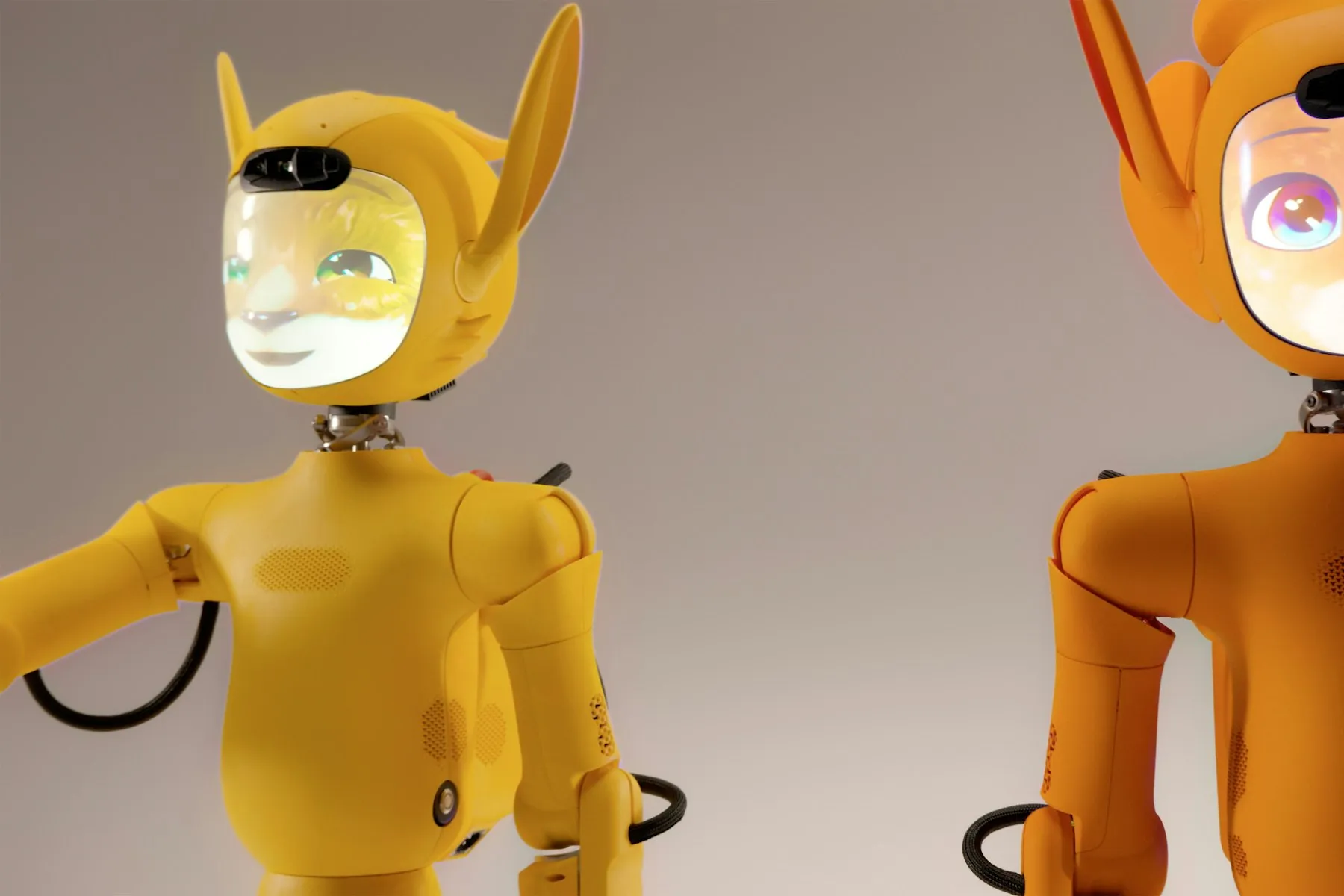
Humanoids Are a Software Problem Now
The legs work. The hands are getting there. What is holding humanoid robots back has moved decisively into the layer above the hardware.
An Astro theme for technology publications: devices, tools, platforms, security, robotics, and the culture around them.
Page 1 of 2 · 18 posts
The legs work. The hands are getting there. What is holding humanoid robots back has moved decisively into the layer above the hardware.

Six years of awkward hinges and plastic creases later, the folding phone has settled into something ordinary. That is the highest compliment hardware can earn.

A message crosses a dozen systems in under a second. Understanding which of them can lose it changes how you design everything downstream.

After forty years of being deliberately ugly, the command line has picked up typography, colour theory, and animation. Some of it helps.
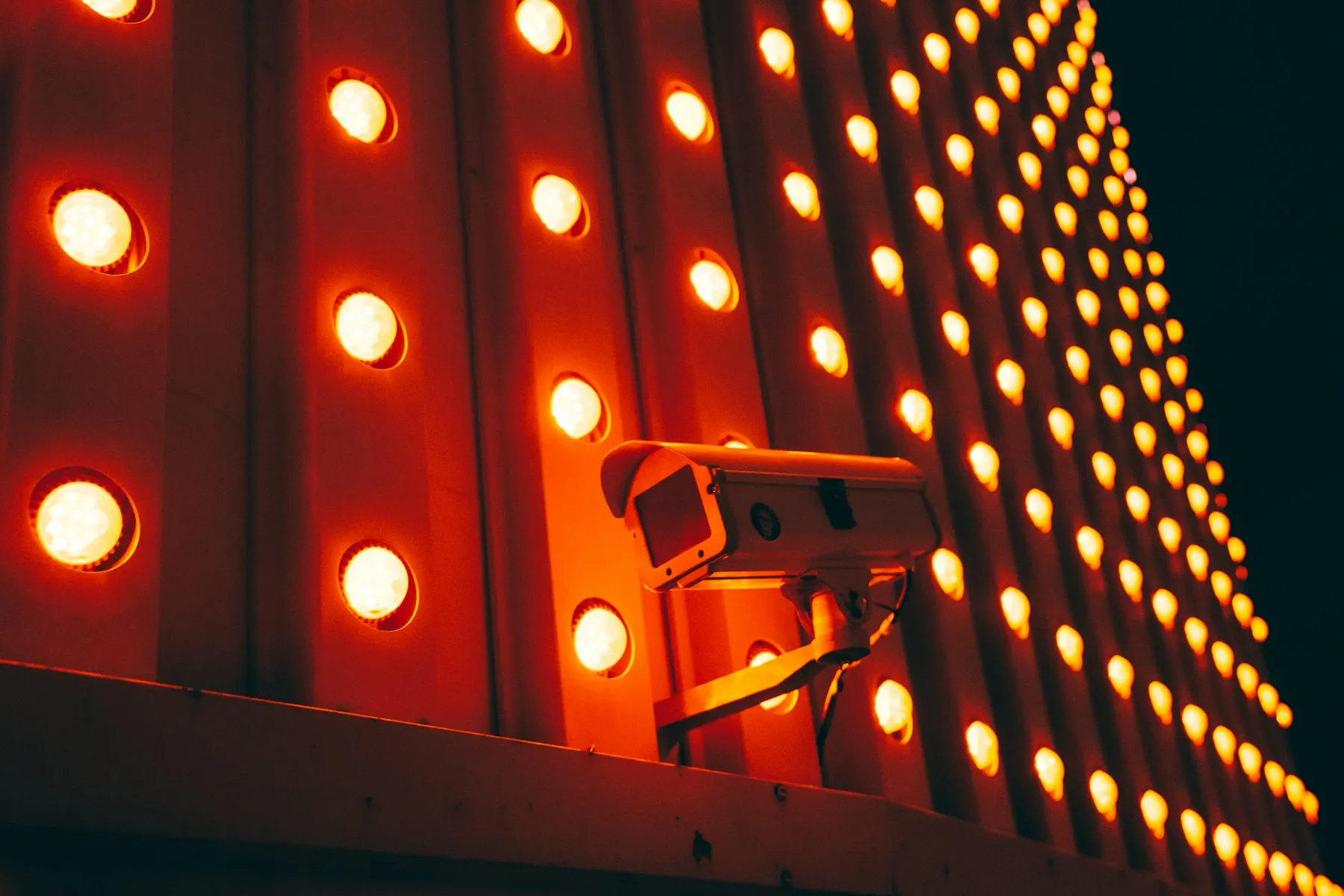
Municipal camera networks grew by accident, one procurement at a time. Nobody designed the system that now exists, which is exactly the problem.
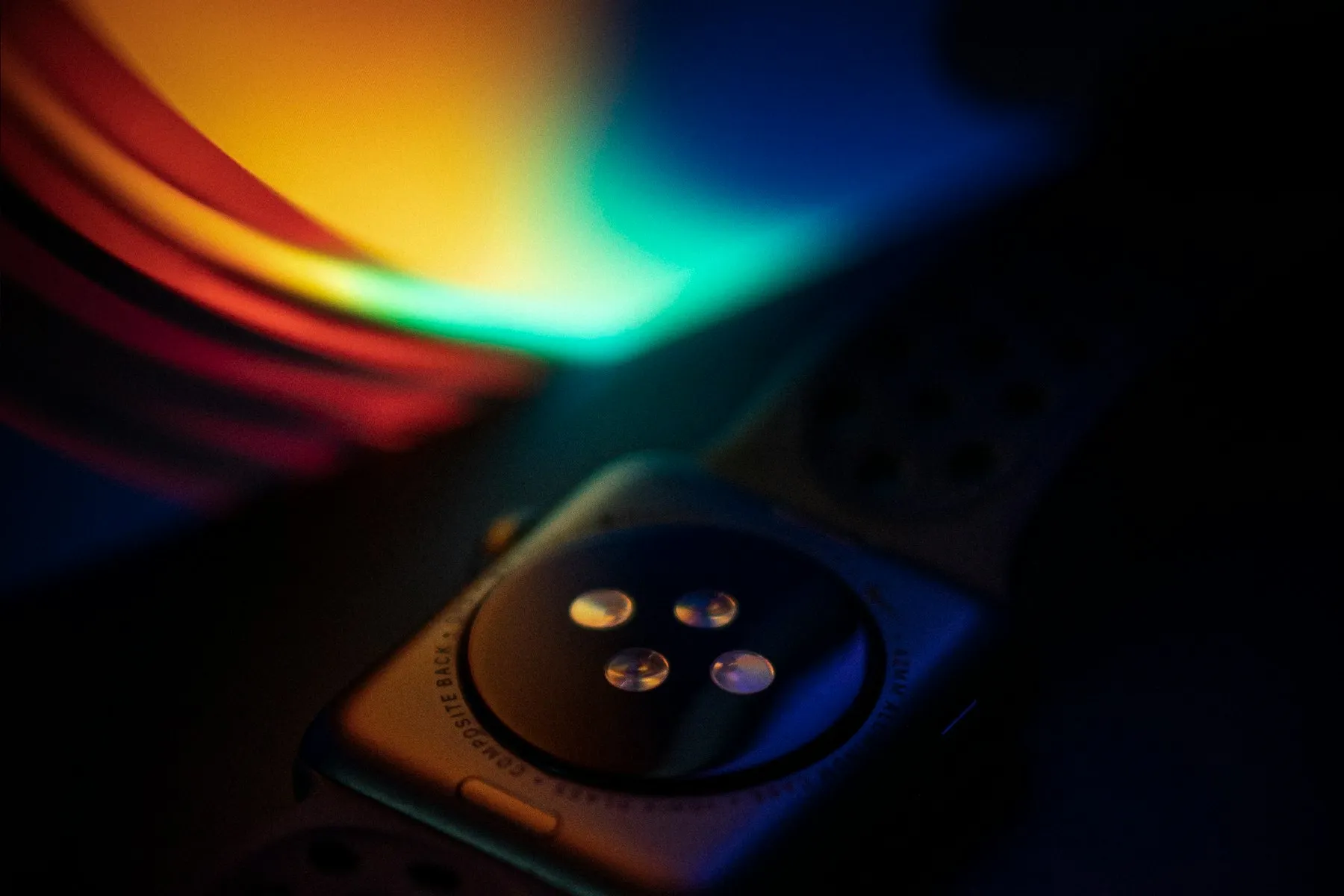
The step counter was the marketing. The real change is a regulated sensor stack on millions of wrists, and a health system that has not decided what to do with it.

Attendance is down, ticket prices are up, and the forty-minute keynote is not what it was. What replaced it is more useful and less visible.

More screen space feels like more capacity. The research on visual search and task switching suggests the relationship is not that simple.
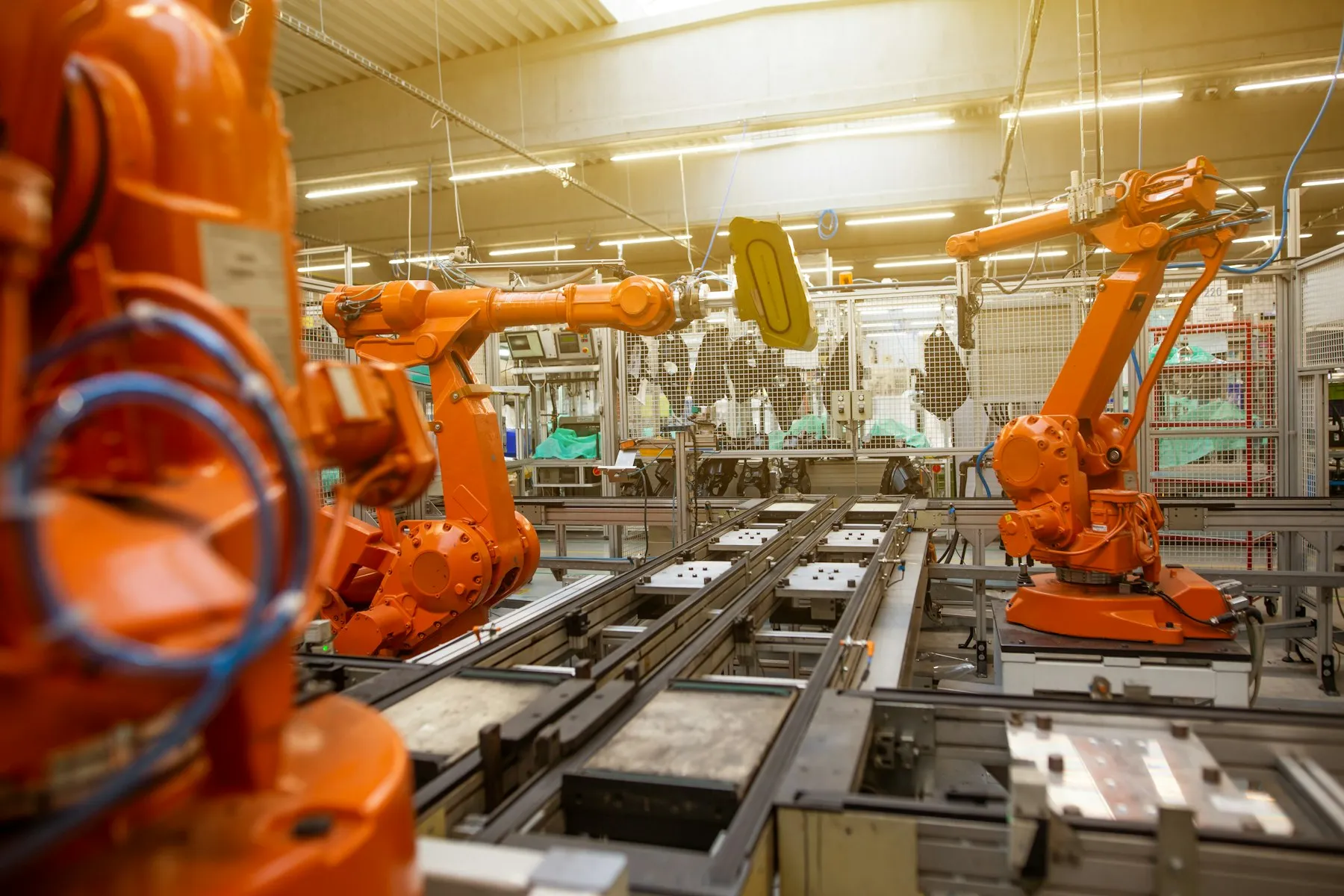
Industrial robots were built on the assumption that the world holds still. Removing that assumption changes what a production line can be.
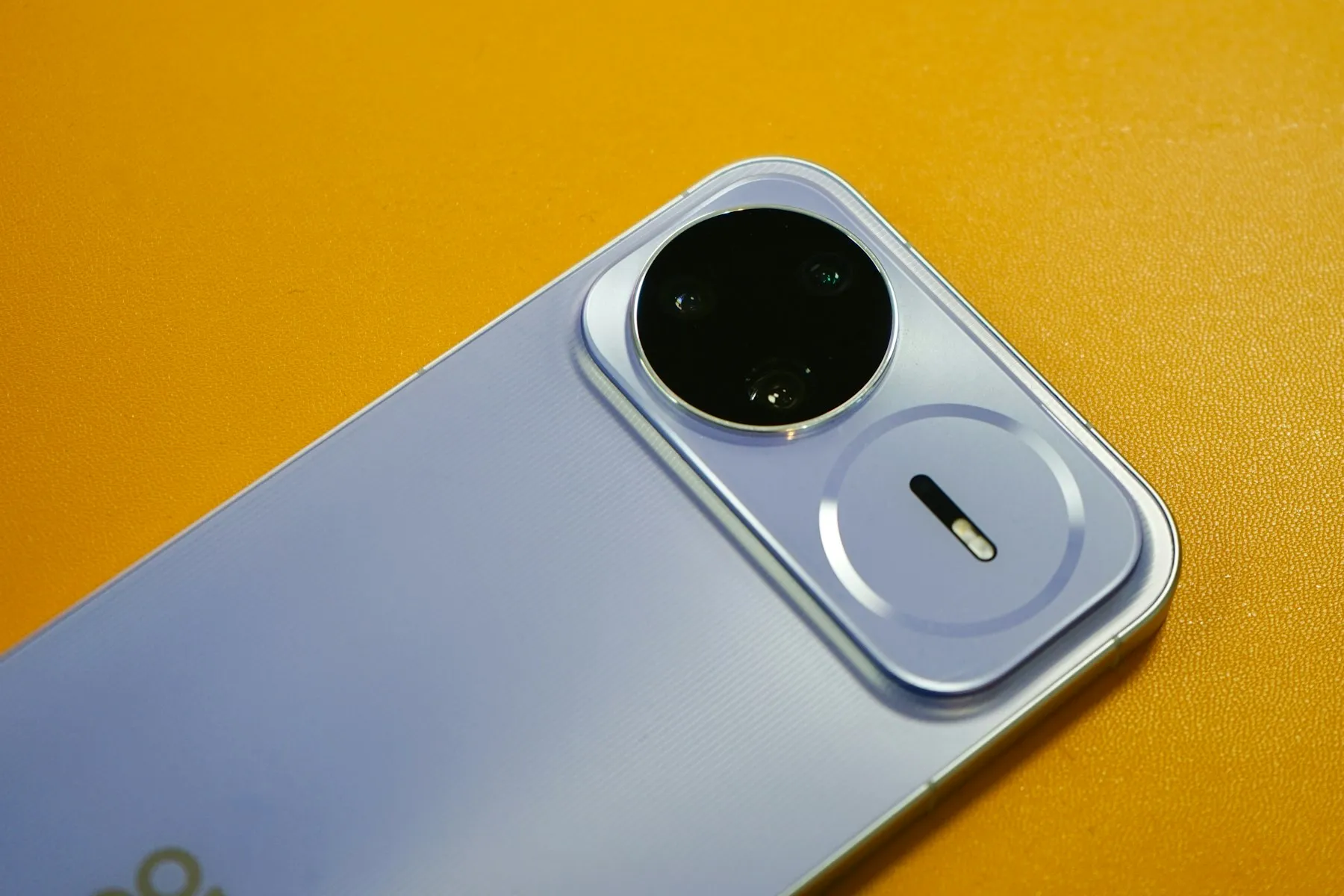
Everyone complains about the lump on the back of their phone. It is the most deliberate part of the device, and the constraints behind it are more interesting than the complaint.
Teams track p99 and celebrate when it drops. Users experience something else entirely, and the gap between them explains a lot of unhappy dashboards.

A practice built around sitting shoulder to shoulder should not have made it through distributed work. It did, in a form its originators would find strange.
One email every couple of weeks with new stories, field notes, and the tools worth your attention. No spam, unsubscribe anytime.