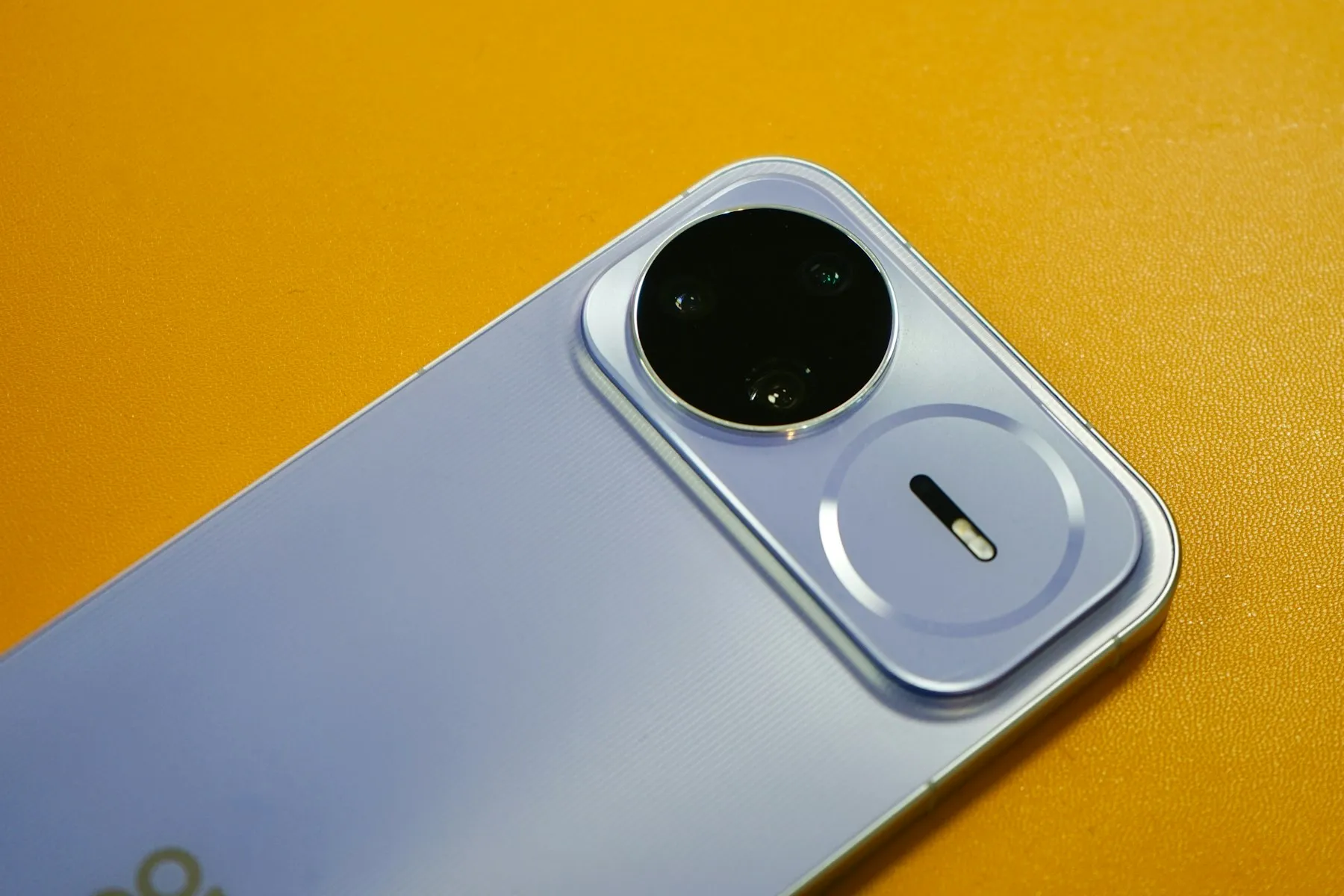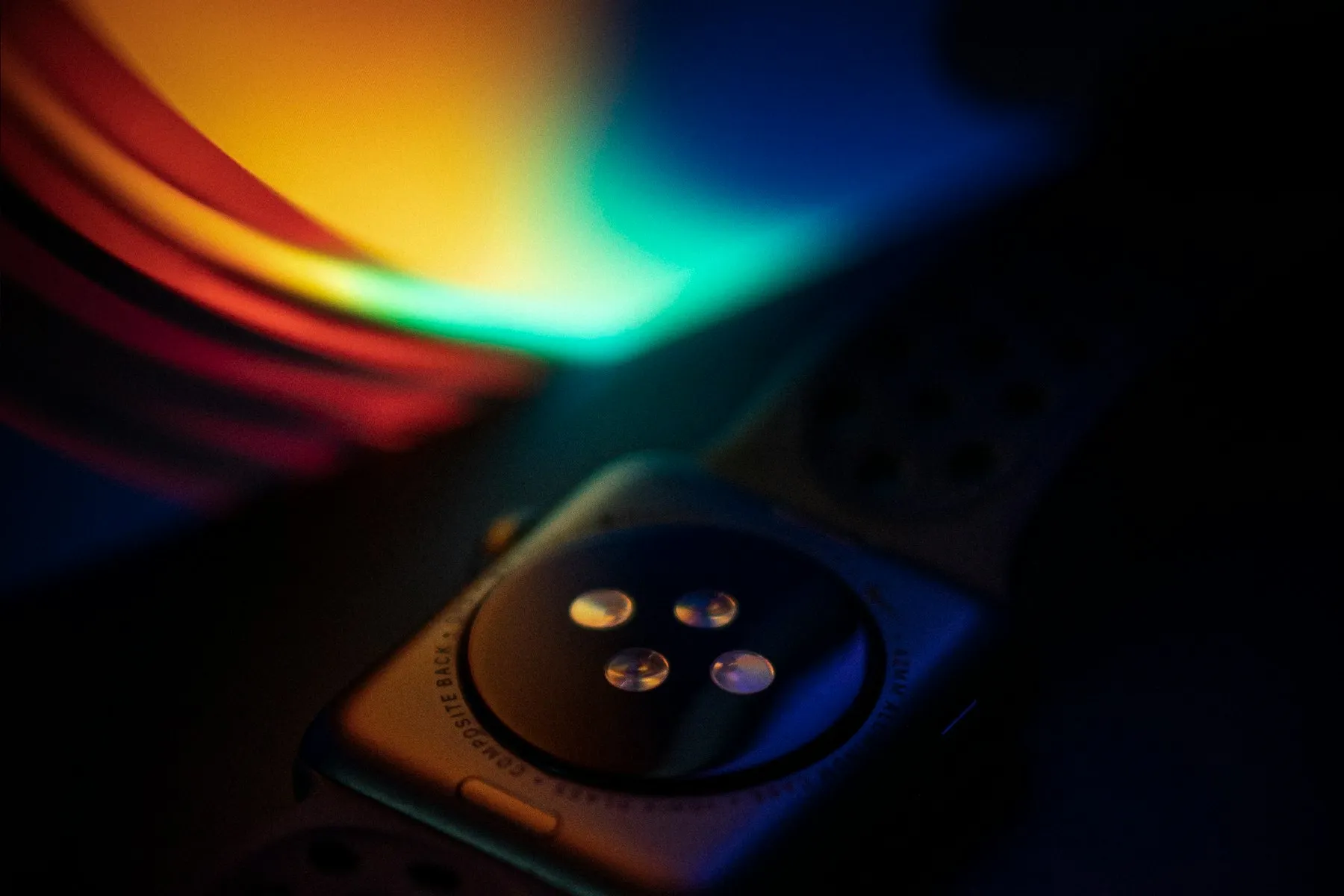
A wrist is a bad place to measure almost anything. It moves constantly, it varies in temperature, it is covered in tendons, and the person attached to it will not hold still. The fact that a consumer watch can now produce a clinically useful signal from that position is a small miracle of signal processing and a large problem for everyone downstream.
From counting to detecting
Counting steps is forgiving. If the estimate is off by eight percent, nobody is harmed. Detecting an arrhythmia is not forgiving, and that difference is what reshaped the category.
Once a feature claims to detect a condition, it enters a regulatory pipeline. It needs a defined intended use, a study population, and a documented false-positive rate. It has to fail in a described way. That is a very different engineering culture from the one that ships a new watch face every autumn.
The visible result is that health features now roll out by region, months apart, with different wording in each market. The invisible result is that a consumer hardware team has had to learn how to run a clinical program.
The signal is real, the context is missing
A modern watch can plausibly observe heart rhythm, blood oxygen trends, skin temperature deviation, and sleep staging that correlates well enough with a lab study to be useful.
What it cannot observe is everything that makes those numbers mean something. It does not know you started a new medication on Tuesday. It does not know the room was cold. It does not know you have had this rhythm your entire adult life and so has your father.
So the watch does the only honest thing available to it: it reports a deviation from your own baseline and suggests you talk to someone. This is medically reasonable and practically maddening, because the someone in question now has a queue.
The referral problem
Clinicians have been describing the same pattern for a few years. A patient arrives with a screenshot. The screenshot is not wrong. It is also not a diagnosis, and confirming or dismissing it consumes a visit that was scheduled for something else.
There is no villain here. The device did what it was designed to do. The health system was not designed to receive a continuous stream of low-specificity alerts from asymptomatic people, and it does not have a triage layer for them.
Some regions are building one — nurse-led review lines, asynchronous cardiology triage, structured intake that accepts exported data instead of a photo of a screen. It is unglamorous plumbing and it matters more than the next sensor.
What to watch next
Two things will decide whether this category becomes genuinely useful or merely anxious.
The first is longitudinal data. A single reading is noise. Two years of readings, with the person’s own baseline, is something a clinician can work with. That requires export formats nobody currently agrees on.
The second is restraint. Every additional detection feature adds alerts, and alerts have a cost measured in appointments and worry. The most valuable thing a wearable team can ship next may be a feature that tells fewer people something is wrong.