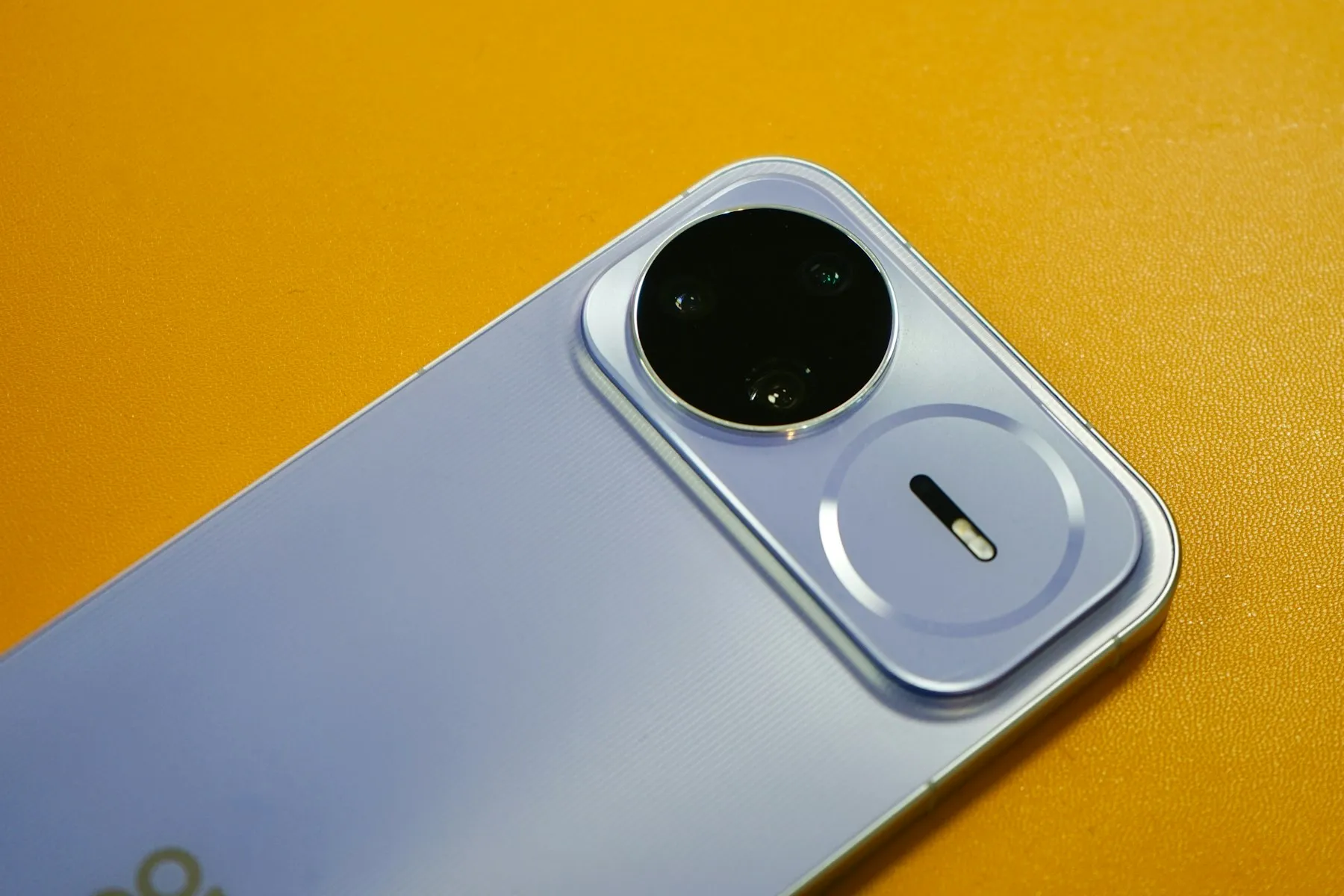
The camera bump is the only part of a modern phone that people reliably describe as a mistake. It wobbles on desks, it collects the first scratch, and it ruins the flat rectangle that industrial designers spent a decade perfecting.
It is also the single most negotiated feature on the device, and it exists because physics declined to compromise.
Light needs room
A lens gathers light through an aperture and focuses it across a distance onto a sensor. Make the sensor bigger — which is the most direct way to improve low-light performance — and the required focal length grows with it. There is no clever material that removes this relationship. You either accept a smaller sensor, or you accept depth.
Phone thickness stopped being the constraint that sells devices somewhere around the point where batteries became the complaint. Once buyers started ranking battery life and night photos above thinness, the trade was obvious: keep the body thick enough for the cell, and let the optics stick out.
The bump is a battery decision in disguise
This is the part that gets lost. If the camera module were flush, the body would need to be as thick as the module. That would be a heavier phone with a larger volume, and manufacturers have tried it — the mid-2010s produced several flush-camera devices that reviewers described as bricks.
Putting the depth only where it is needed lets the rest of the body stay thin in the hand while the optics get their room. The bump is not an overflow. It is a local exception that buys a global improvement.
Why they keep getting larger
Three trends compound:
Sensor sizes keep climbing, because that is still the cheapest way to buy image quality. Optical stabilisation modules need clearance to move, and larger sensors need larger movement. And multi-camera arrays mean several of these stacks sitting next to each other, so the module grows in two dimensions before it grows in the third.
The circular islands and raised plateaus that have appeared in the last few product cycles are attempts to make that footprint look intentional rather than accumulated. Some succeed. All of them wobble.
The honest version of the complaint
Most people who object to the bump are not objecting to depth. They are objecting to instability on a flat surface and to a raised edge that takes the first hit.
Those are solvable, and separately from the optics. Recessed rims, sacrificial coatings, and case ecosystems that assume the bump instead of fighting it all address the actual annoyance. Making the module flat would address the aesthetic and cost you the photograph.
Given the choice, buyers have picked the photograph every single time.